


We use cookies to ensure the site functions properly and, with your consent, to measure traffic and improve your experience. You can change your choices at any time via the cookie settings link at the bottom of each page. Privacy policy
The biggest floral design trends for 2026
JPHM
Team Chou et Tournesol
7 min
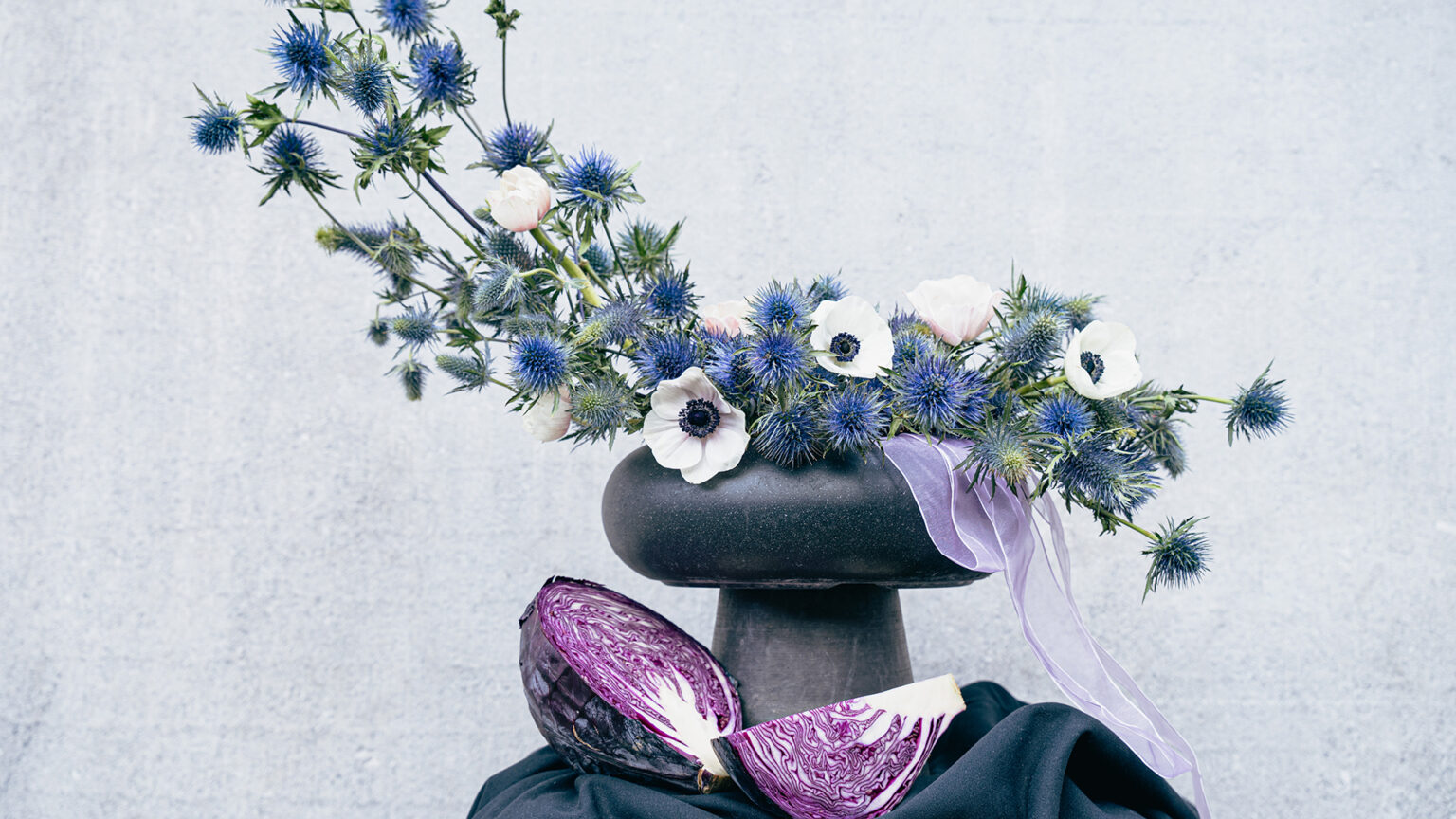
Floral design is no longer expected to simply look beautiful. In 2026, it becomes structure, storytelling and emotion. Flowers move beyond ornamentation and enter the realm of full-scale scenography—where every element contributes to an immersive experience.
From weddings to corporate events and public installations, floral scenography is now a language of its own. Here are the five key trends shaping 2026.
1. Sculptural florals, designed as installations
In 2026, flowers are not just arranged—they are built. Floral compositions take on architectural shapes, sometimes monumental, and actively interact with the space around them.
We are seeing:
-
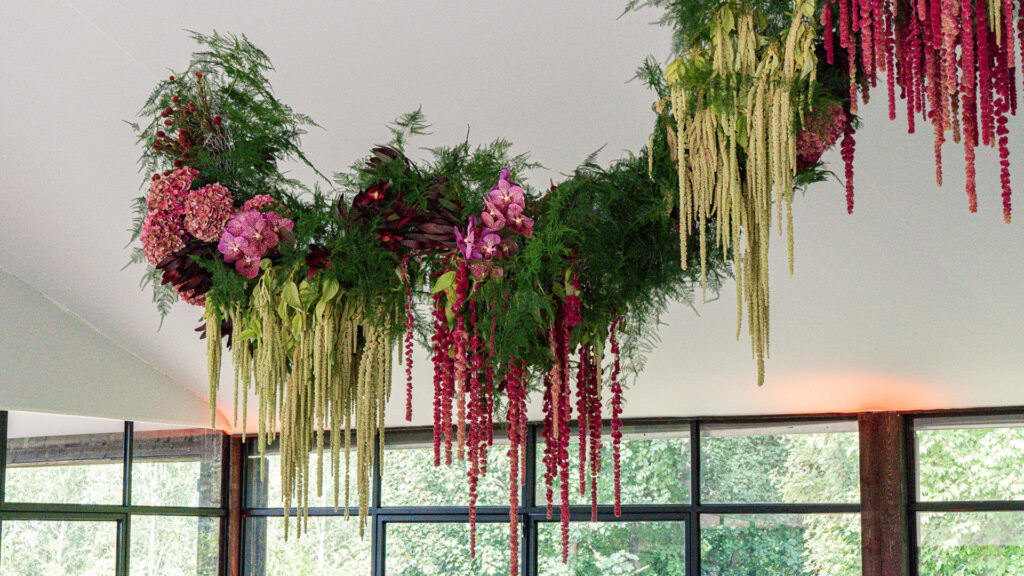
Suspended and vertical installations
Florals rise above the floor and reclaim height, transforming the room and wrapping guests into an immersive scenographic world.
-
Asymmetrical arches and free-form structures
Shapes break away from traditional frames, creating organic compositions that feel expressive, modern and unexpected
-
Designs that play with gravity, negative space and materiality
By balancing fullness and emptiness, scenography creates installations that can feel airy, minimal or strikingly bold—depending on the intent.
Flowers become volumes, integrated into wood, metal or textile structures. The result is a temporary artwork—an ephemeral installation designed to stay in people’s minds long after the event.
2. Texture, movement and hybrid materials
2026 marks a shift away from overly static, “perfect” arrangements. The new signature is texture, movement and controlled imperfection.
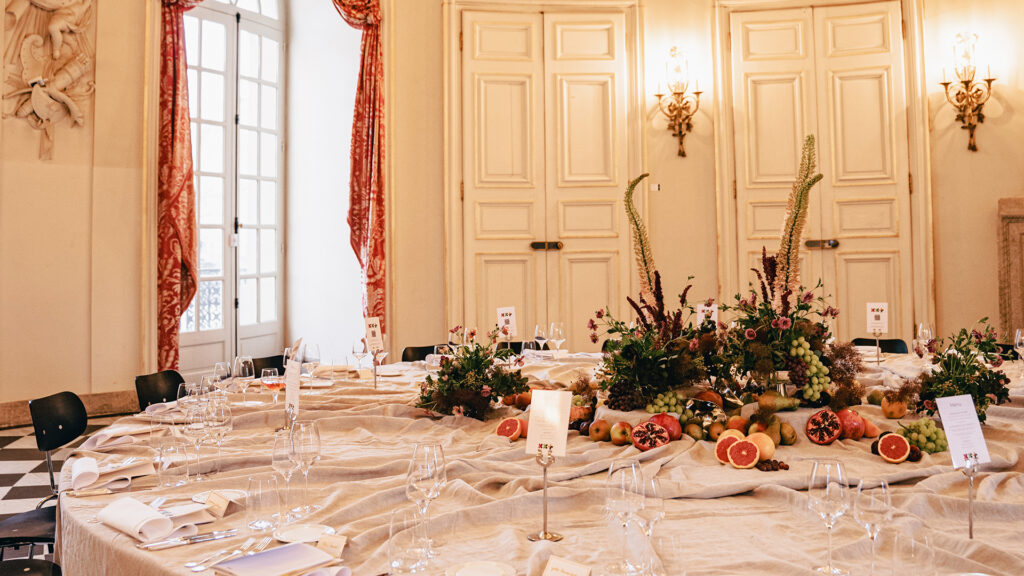
Floral scenography blends fresh, dried or preserved flowers with textiles, raw wood, metal, stone, transparency effects, layering and contrast.
The compositions breathe, ripple and evolve with light and space. This material richness adds both visual and emotional depth, allowing designers to create universes that feel contemporary, refined and alive.
3. Floral scenography as an immersive experience
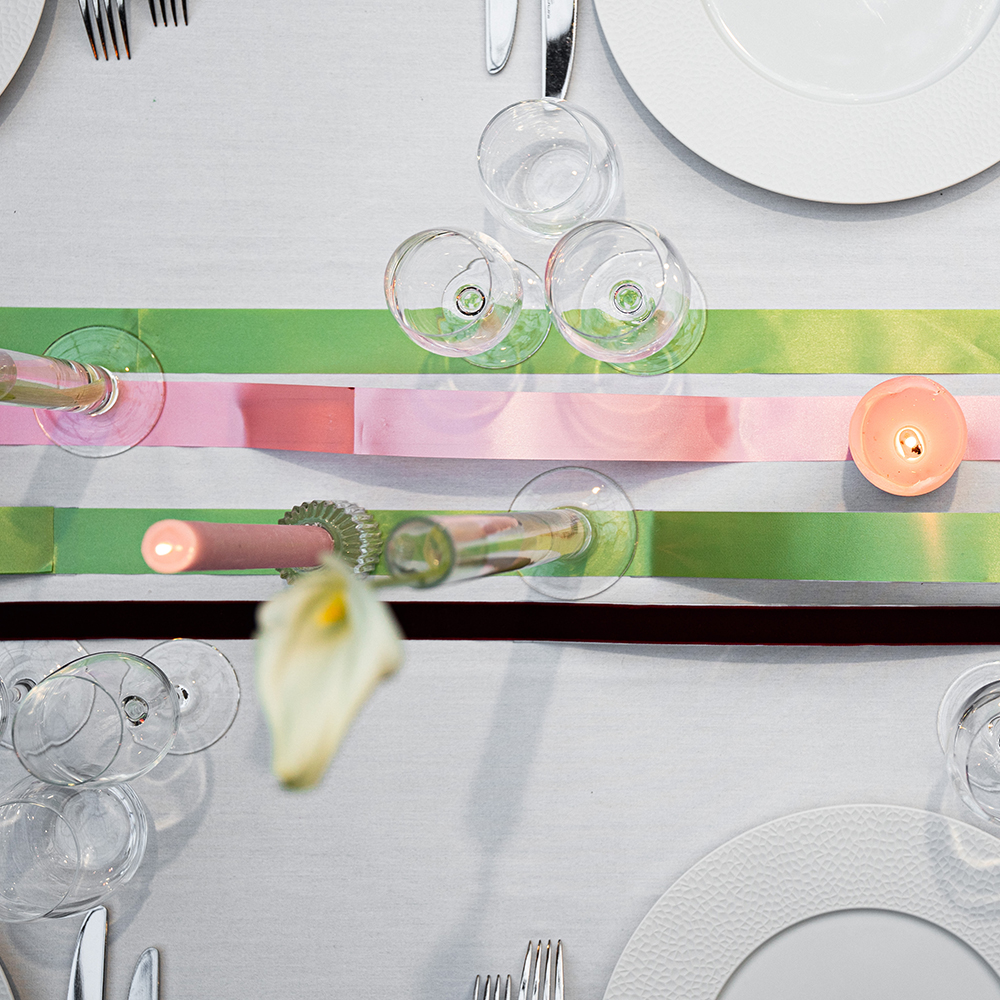
The biggest evolution of recent years becomes fully established in 2026: floral scenography is no longer about decorating a venue—it is about shaping an experience.
Every project is designed as a sensory journey:
-
How the eye moves through the space
Staging naturally guides attention, reveals perspectives and creates a sequence of visual focal points.
-
How lighting reveals texture and depth
Light enhances floral and structural materials, highlighting shadows, volumes and relief.
-
How materials interact with each other
Flowers, textiles, wood and metal come together to form one coherent, expressive visual language.
The flower becomes part of something larger—serving atmosphere, narrative and emotion. We are no longer talking about floral decor, but about floral staging.
4. Intentional minimalism and emotional colour palettes
Contrary to what you might expect, floral scenography in 2026 is not necessarily “more”. It is more intentional.
Two strong trends coexist: a sophisticated minimalism, where every stem is selected for its shape, colour and symbolism—and bold emotional palettes built around deep tones (earthy hues, burgundy, plum, intense greens) or, at the other extreme, soft mineral shades and muted pastels.
The goal is not to add more, but to say more—more clearly. Scenography becomes a precise, elevated visual language, designed to reflect a brand identity or a singular moment.
5. Sustainability, seasonality and true personalisation
Finally, 2026 confirms a strong client expectation: floral scenography must feel responsible and authentic, without compromising visual impact.
That means:
-
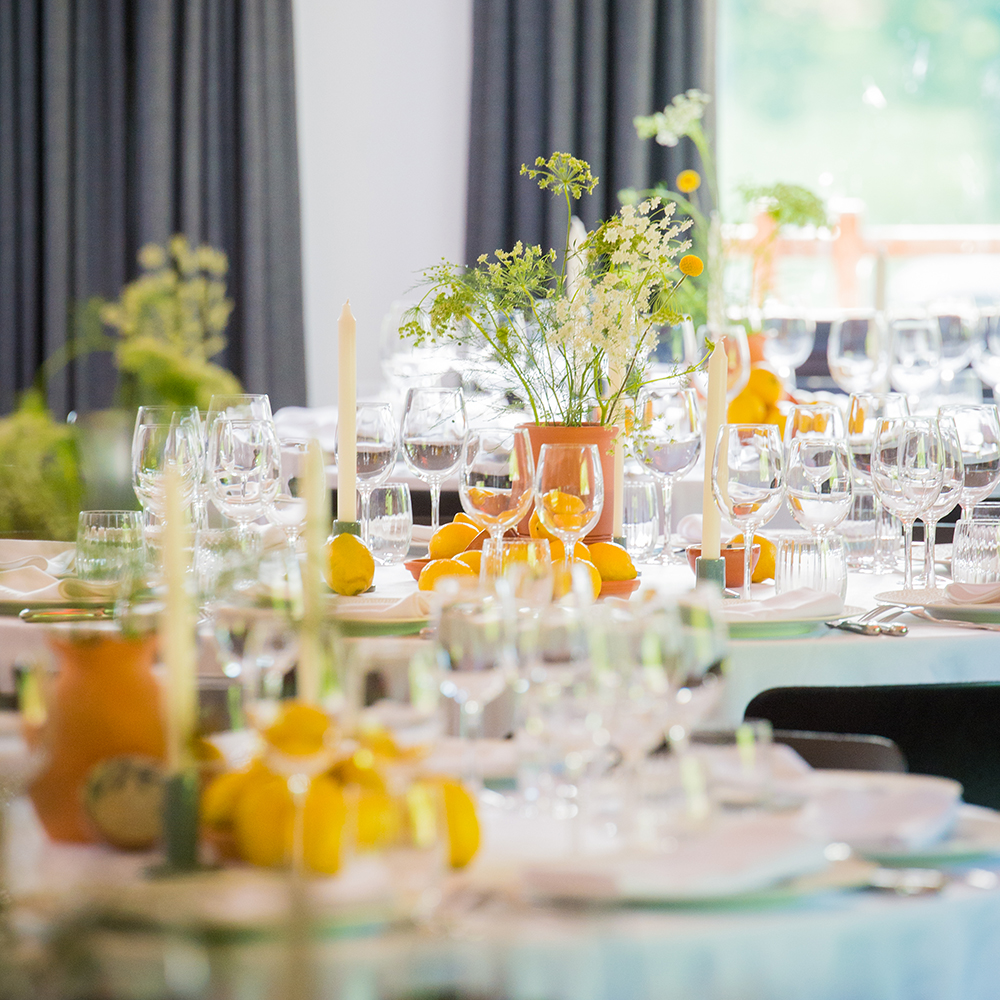
Local, seasonal flowers
Choosing botanicals aligned with the time of year creates design that feels more coherent—and more sustainable.
-
Reusable or transformable installations
Sets are designed to evolve, to be repurposed, or to take on a second life beyond the event.
-
Compositions created for one specific place and moment
Each scenography is context-driven—crafted around the venue, the timing and the people experiencing it.
Every project becomes a singular creative exploration, closely connected to the space, the story and the audience. Floral scenography no longer follows a trend—it tells a story that cannot be replicated.
Conclusion
In 2026, floral scenography stands as a pillar of contemporary event design. It does more than accompany a moment: it shapes it, elevates it and makes it unforgettable.
At Chou & Tournesol, this vision is at the heart of every project: turning the ephemeral into an experience, and making flowers much more than decor—a staged atmosphere to be lived.
Blog
Featured articles
-
 Corporate
Creating a memorable event scenography for a brand
Creating event scenography for a brand is not about decorating a venue—it’s about staging identity. Through design, scale, lighting and materials, scenography turns an event into an immersive experience that leaves a lasting impression and strengthens the brand message.
-
 Wedding
Wedding: rethinking floral design, differently
What if wedding florals became true staging? Through scenography, flowers move beyond decoration to shape the space, tell a story and create a uniquely emotional experience—designed around the venue and the couple’s identity.